NSW Drought Relief Loan

NSW Drought Relief Loan

NSW Drought Relief Loan

Tax time with wooden alphabet blocks, red alarm clock, calculator and pen on 1040 tax form background

NSW Drought Relief Loan: Key Points for Primary Producers

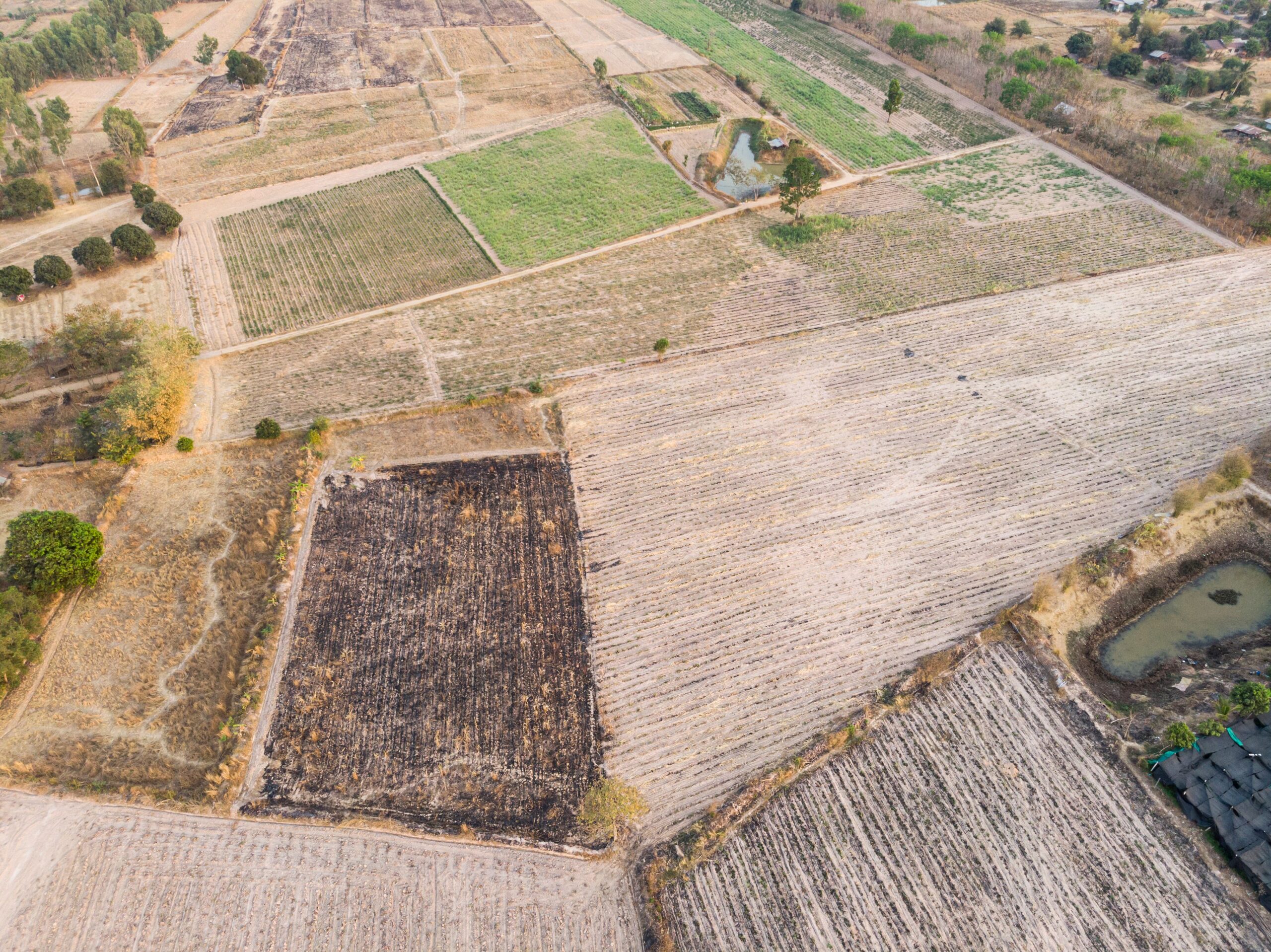
The NSW Rural Assistance Authority has opened its Drought Relief Loan program to provide immediate financial support to eligible primary production enterprises in NSW affected by drought. The loan is designed to help businesses continue operating and fund practical drought-related measures, with total program funding capped at $50 million. Applications opened on 10 March 2026 and will remain open until the allocated funding is exhausted.

The loan offers up to 100% of the net GST-exclusive cost of eligible activities, with:

  • a minimum loan amount of $25,000
  • a maximum loan amount of $100,000
  • an initial upfront payment of up to $25,000, depending on the approved loan amount.

Once the loan documents are completed and the application is approved, the first drawdown can be released without invoices or supporting evidence. The full loan must be drawn within six months from the date the loan is established. Interest accrues from the first drawdown, and the fixed interest rate is set at the rate applying at that time. The maximum term is five years. Repayments are interest-only until the loan is fully drawn or until six months after acceptance of the letter of offer, whichever comes first. After that, repayments move to principal and interest. There are no ongoing account-keeping fees, although applicants must pay any relevant credit check, bankruptcy or company search costs.

To be eligible, the business must be a sole trader, partnership, trust or private company operating in NSW with an ABN and be declared for tax purposes in Australia as a primary producer. At least one owner must contribute labour to the enterprise. The enterprise must also show commercial scale and repayment capacity. In broad terms, eligibility requires either:

  • at least $75,000 in eligible primary production income in one of the last three financial years, with no more than $5 million in total gross income, or
  • at least 50% of total gross income coming from eligible primary production.

The guidelines also allow some flexibility where income has been reduced by seasonal conditions or biosecurity events, or where long lead times to full production apply, provided the business can show it would ordinarily meet the income test and remains viable in the long term.

The loan can only be used for eligible drought-related activities that commenced on or after 16 February 2026. Eligible activities include three main categories:

  • Animal welfare
    • purchasing and transporting fodder
    • purchasing and transporting stock or domestic water
    • feed storage, mixing and feeding equipment
    • transporting stock to sale or agistment
    • veterinary, nutrition or animal welfare advice
    • fencing, containment feeding pens and shade structures
  • On-farm infrastructure
    • water infrastructure such as tanks, pumps, stock water systems and bores
    • desalination or water quality equipment
    • dam maintenance earthworks
    • grain and fodder storage infrastructure
    • livestock feeding equipment
  • Environmental improvements
    • pest and weed control
    • soil conservation and erosion control works
    • contour banks, overbanks, water ponding and vegetation management.

The guidelines also set out a number of exclusions. The loan cannot be used for:

  • residential farm buildings or improvements
  • activities beyond the farm gate
  • own labour or employee wages
  • fuel or diesel
  • use of the applicant’s own equipment
  • planting new pasture or crops
  • activities already funded under another NSW Government scheme.

This last point is especially important because Version 1.1 of the guidelines, dated 25 March 2026, specifically clarified that fuel or diesel, use of own equipment, and planting new pasture or crops are ineligible.

Applications must be submitted on the RAA form and supported by financial records and business documentation, including tax returns, financial statements, cash flow forecasts, bank details, and other entity documents where relevant. Complete applications are assessed in order of receipt, and approved applicants have 30 calendar days to return signed loan documents. The RAA may request further information, conduct audits, and recover funds where eligibility requirements are not met. False or misleading information may result in refusal, recovery action, investigation and penalties.

Open Hours

Monday to Friday
8:00am to 5:00pm

Closed Public Holidays

plus-1-logo

If you need to get us documents quickly, access remote support, or the MYOB Portal click the button above.

Contact Us

27 Welsford Street
Shepparton, VIC 3630

T: (03) 5833 3000
F: (03) 5831 2988
Email Us

Fuel Excise & Heavy Vehicle Charge Changes – What it Really Means for Transport Costs

Fuel Excise & Heavy Vehicle Charge Changes – What it Really Means for Transport Costs

Fuel Excise & Heavy Vehicle Charge Changes – What it Really Means for Transport Costs

Tax time with wooden alphabet blocks, red alarm clock, calculator and pen on 1040 tax form background

Recent media coverage suggests these changes will significantly reduce transport costs. In practice, the impact is more limited:

  • Fuel excise reduction
    • May lower the retail price of diesel
    • However, most operators already use fuel levy mechanisms
    • Any decrease in fuel costs will be automatically passed through to customers
  • Heavy Vehicle Road User Charge (HVRUC) removal
    • Increases Fuel Tax Credit (FTC) entitlements
    • However, this is largely offset by the reduction in fuel excise
    • Resulting in only a marginal net benefit per litre 0.4 cents
  • Timing of benefits
    • FTC applies only to fuel purchased from 1 April
    • Benefits are realised when BAS are lodged not immediately
    • This may result in a delay of 1-4 months (e.g. May to August depending on BAS reporting cycle)

Key takeaway:

  • There is essentially no cost benefit to transport operators
  • Existing pricing mechanisms already pass through most fuel-related savings

If you would like to understand how these changes impact your business or freight arrangements, please contact our office for tailored advice.

Open Hours

Monday to Friday
8:00am to 5:00pm

Closed Public Holidays

plus-1-logo

If you need to get us documents quickly, access remote support, or the MYOB Portal click the button above.

Contact Us

27 Welsford Street
Shepparton, VIC 3630

T: (03) 5833 3000
F: (03) 5831 2988
Email Us

Proposed Changes to Fuel Levy Rules for Trucking Industry

Proposed Changes to Fuel Levy Rules for Trucking Industry

Proposed Changes to Fuel Levy Rules for Trucking Industry

Tax time with wooden alphabet blocks, red alarm clock, calculator and pen on 1040 tax form background

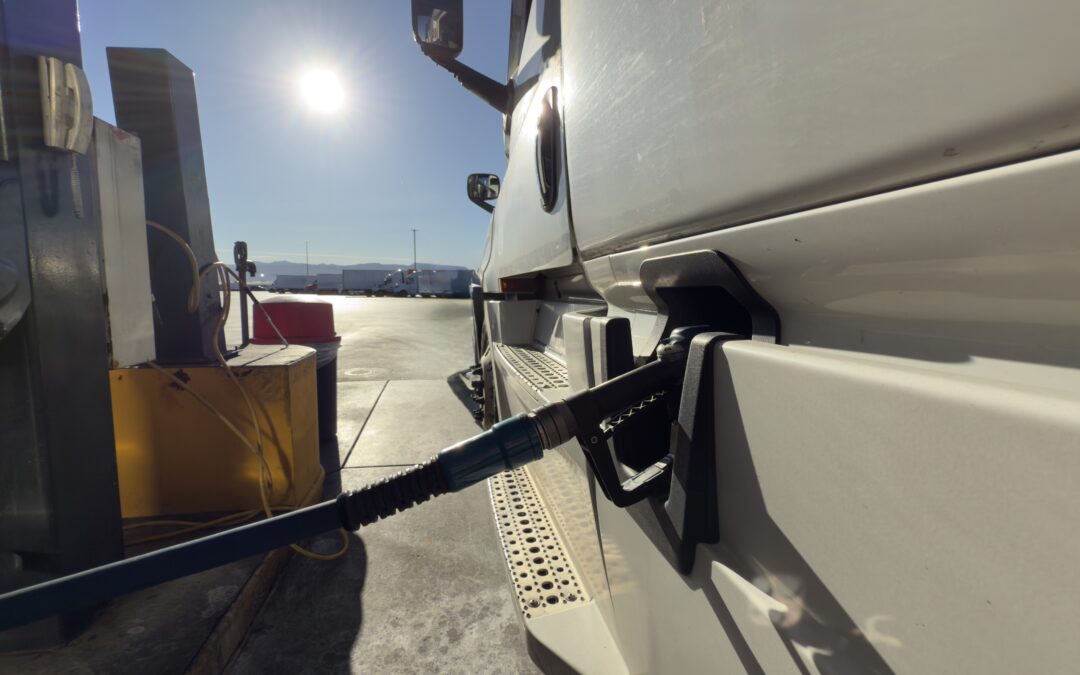
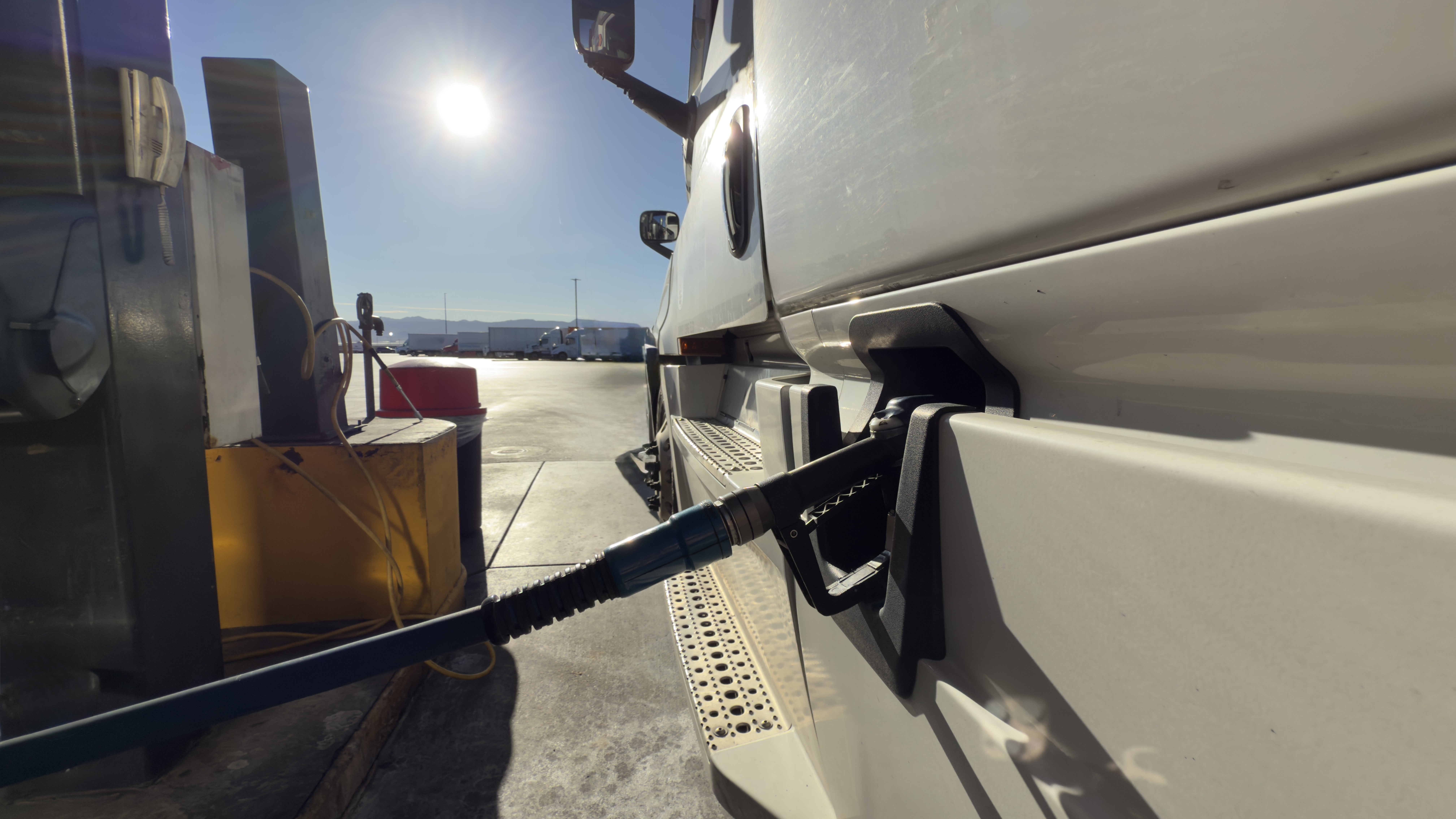
The federal government is moving to change the law so transport operators can recover rising fuel costs from their customers, following a sharp surge in diesel prices and growing financial pressure across the industry.

Under the proposed changes, customers in the road transport supply chain will be legally required to pay a fuel levy. This would be implemented through a faster process within the Fair Work Commission, replacing the current system where contract chain orders can take at least six months to take effect—too slow for the current conditions.

Industry representatives say the urgency reflects the scale of the cost increases. Diesel prices have risen dramatically in a short period, in some cases increasing by more than 50 per cent in just two weeks. As a result, many operators are currently absorbing these costs themselves, with limited ability to pass them on.

National Road Freighters Association President Glyn Castanelli said the change is intended to ensure costs are shared more fairly across the supply chain. He noted that many operators are continuing to run at a loss to keep their businesses afloat, warning that some are now “days away from failure” and may be forced to stop operating altogether.

The Australian Trucking Association (ATA) also supported the announcement, highlighting that fuel prices have nearly doubled at the terminal gate in recent weeks. CEO Mathew Munro described the situation as an emergency, stating that most businesses cannot absorb the increase and many lack mechanisms to pass on fuel costs under current contracts.

The proposed amendment would allow the Fair Work Commission to introduce urgent fuel cost orders more quickly, ensuring operators without existing fuel surcharge arrangements can recover costs, while maintaining agreements already in place.

The changes are expected to go before Parliament shortly, with industry groups working alongside government and unions to finalise the details and accelerate implementation.

Open Hours

Monday to Friday
8:00am to 5:00pm

Closed Public Holidays

plus-1-logo

If you need to get us documents quickly, access remote support, or the MYOB Portal click the button above.

Contact Us

27 Welsford Street
Shepparton, VIC 3630

T: (03) 5833 3000
F: (03) 5831 2988
Email Us

Managing Fuel Levies Amid Rising Energy Costs

Managing Fuel Levies Amid Rising Energy Costs

Managing Fuel Levies Amid Rising Energy Costs

Tax time with wooden alphabet blocks, red alarm clock, calculator and pen on 1040 tax form background

Managing Fuel Levies in an Evolving Energy Market

Recent developments in global energy markets — driven by conflict in the Middle East and resulting disruptions to key supply routes — have put upward pressure on oil and gas prices, with flow-on effects for businesses that rely on fuel as a significant input cost.

According to recent analysis, global financial markets are now anticipating a marked increase in oil prices following disruptions around the Strait of Hormuz — a critical transit point for a substantial portion of the world’s crude oil and LNG exports. This has the potential to translate into higher fuel costs locally, which can influence transportation, logistics and distribution expenses across a range of industries.

In this context, it’s sensible for businesses to review their current fuel levy settings and related cost management strategies. Ensuring that fuel levies are appropriately structured and up to date can help mitigate the risk of escalating fuel costs impacting your bottom line. Effective levy practices support:

  • Cost recovery and pricing transparency — helping to ensure that increases in fuel input costs are equitably reflected in client pricing or cost allocations.
  • Cashflow planning — anticipating future cost movements can provide better budget accuracy and reduce unexpected pressures.
  • Competitive positioning — maintaining clear, consistent fuel levy policies contributes to stable pricing outcomes for your customers and stakeholders.

While it’s not possible to predict how long current pressures on global energy markets will persist, proactive management of fuel levies and related pricing structures can give your business greater resilience in the face of rising input costs.

If you would like assistance in evaluating your current fuel levy arrangements or modelling potential cost impacts on your operations, please reach out to our team — we’re here to help you navigate these uncertainties with confidence.

Open Hours

Monday to Friday
8:00am to 5:00pm

Closed Public Holidays

plus-1-logo

If you need to get us documents quickly, access remote support, or the MYOB Portal click the button above.

Contact Us

27 Welsford Street
Shepparton, VIC 3630

T: (03) 5833 3000
F: (03) 5831 2988
Email Us

Super Changes for Employers from 1 July 2026

Super Changes for Employers from 1 July 2026

Super Changes for Employers from 1st June 2026

Tax time with wooden alphabet blocks, red alarm clock, calculator and pen on 1040 tax form background

What’s changing for employers

From 1 July 2026:
• You’ll need to pay your employees’ super at the same time as their wages or salary.

• Super funds must get employees’ SG contributions no later than 7 business days after payday.

• The super guarantee charge (SGC) will change, with tougher penalties if you don’t pay super in full and on time.

• If you hire a new employee, you’ll have 20 business days (starting from the day after wages or salary are paid) for the employee’s super fund to successfully get their first super contribution.

• The ATO Small Business Super Clearing House (SBSCH) will close for all employers.

Open Hours

Monday to Friday
8:00am to 5:00pm

Closed Public Holidays

plus-1-logo

If you need to get us documents quickly, access remote support, or the MYOB Portal click the button above.

Contact Us

27 Welsford Street
Shepparton, VIC 3630

T: (03) 5833 3000
F: (03) 5831 2988
Email Us

Employing Working Holiday Makers in Australia

Employing Working Holiday Makers in Australia

Employing Working Holiday Makers in Australia

Tax time with wooden alphabet blocks, red alarm clock, calculator and pen on 1040 tax form background

Employing Working Holiday Makers in Australia: A Quick Guide for Employers

Working Holiday Makers (WHMs) are a valuable and flexible workforce across hospitality, tourism, agriculture and seasonal industries. If you employ (or plan to employ) WHMs, here’s what you need to know.

  1. Check Visa Work Rights

Before employment starts, you must confirm the worker’s visa and work conditions using VEVO (Visa Entitlement Verification Online).
You must keep a record of this check to meet your legal obligations.

  1. Understand Work Limits

Most WHMs can work for the same employer for up to 6 months.
Some industries and regions allow extensions, so always check the individual’s visa conditions.

  1. Pay Correct Wages and Entitlements

WHMs must be treated the same as Australian employees, including:

  • Award or agreement wages
  • Payslips
  • Penalty rates, overtime and breaks
  • Superannuation

Underpayment laws apply equally to WHMs.

  1. Register as a Working Holiday Maker Employer

If you employ Working Holiday Makers, you must register with the ATO as a WHM employer.

How to register:

  • Log in to ATO Online services for business via myGovID
  • Select Register for Working Holiday Maker withholding
  • Once registered, you can withhold tax at the correct WHM rates

If you don’t register, you may be required to withhold tax at the highest rate.

  1. Tax and Superannuation

WHMs are generally taxed at 15% from the first dollar earned, provided you are registered.
Superannuation must be paid as normal. WHMs can claim their super when they leave Australia.

  1. Provide a Safe Workplace

You have the same work health and safety responsibilities as for any employee. Clear instructions and proper training are essential.

  1. Keep Good Records

Maintain standard employment records, including:

  • Visa checks
  • Tax declarations
  • Payroll and timesheets

Please seek legal advice if you are unsure.

Open Hours

Monday to Friday
8:00am to 5:00pm

Closed Public Holidays
plus-1-logo

If you need to get us documents quickly, access remote support, or the MYOB Portal click the button above.

Contact Us

27 Welsford Street
Shepparton, VIC 3630

T: (03) 5833 3000
F: (03) 5831 2988
Email Us